 Shoha
The first minutes decide
Nobody has timed a single craving. What studies of people quitting smoking do show: slips tend to come within about 11 minutes of a surge.
Perski and colleagues, 2023, Addiction.
Coming soon on iPhone
Shoha is a breathing app for iPhone. A cigarette, a vape, the evening drink, something sweet: when the craving hits, Hummy breathes with you. One tap.
30 seconds, right here. No sound unless you turn it on.
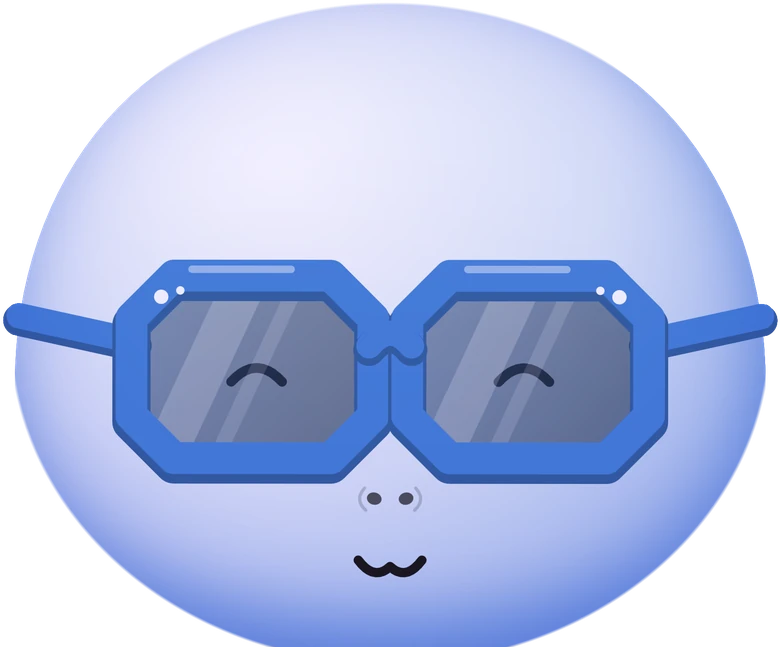
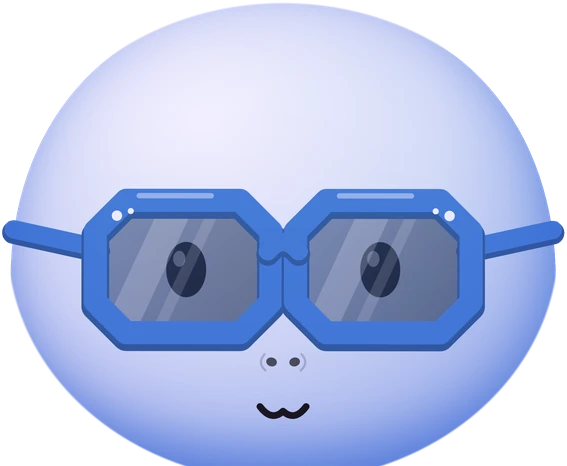
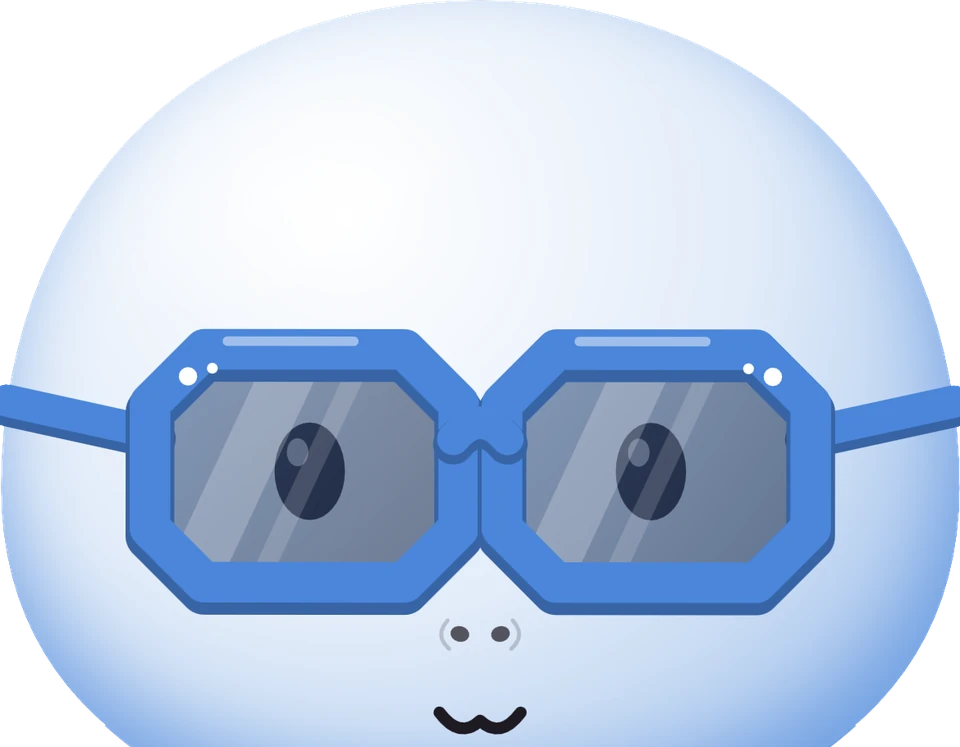
This is Hummy. He breathes with you.
Note 1
It feels like it will never stop.
A craving comes in like a wave. It rises, it peaks, and if you do not feed it, it eases. Shoha is for the part in the middle.

Nobody has timed a single craving. What studies of people quitting smoking do show: slips tend to come within about 11 minutes of a surge.
Perski and colleagues, 2023, Addiction.
Urge surfing means watching the urge rise and fall without acting on it. In one study, smokers who learned it rated their urges just as strong, and smoked less.
Bowen and Marlatt (PubMed 20025372).
In lab studies, slow breathing eased a cigarette craving for minutes, not hours. Minutes are what you need.
McClernon and colleagues, 2004; Shahab and colleagues, 2013 (96 smokers).
Note 2
By the time I find the app, I have already lit one.
The button is already where your thumb is: the Lock Screen, Control Center, the Action button, a Home Screen widget.
One tap, from wherever you are. The urge breath stays free from the Lock Screen control, the widget and the Action button.
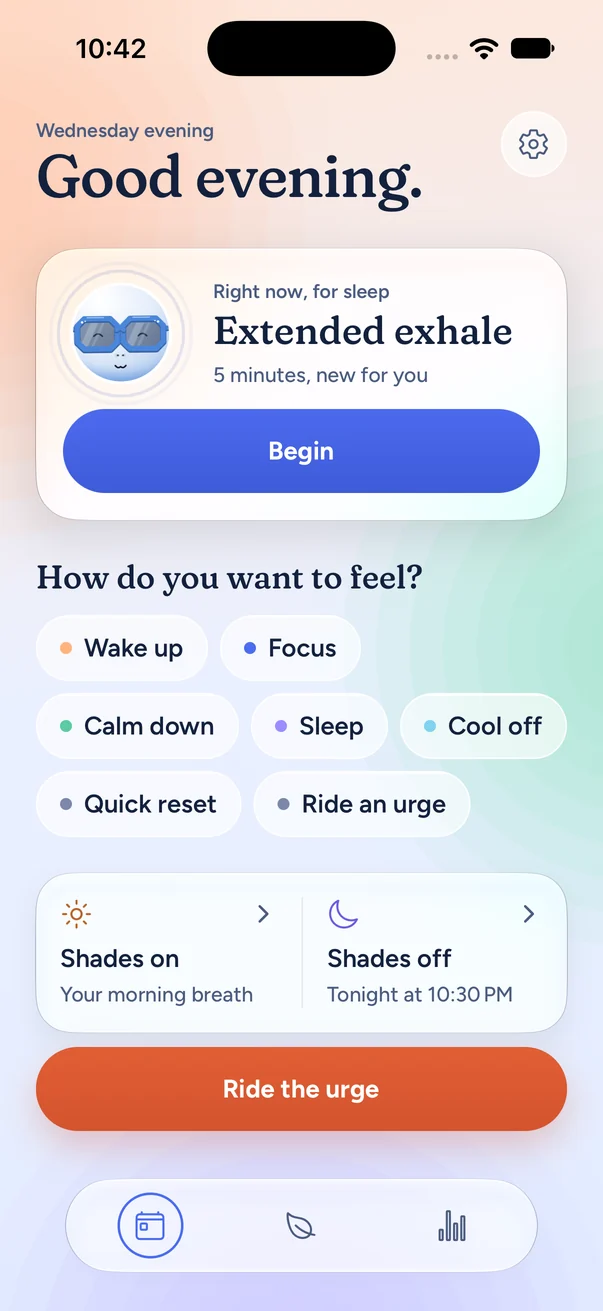
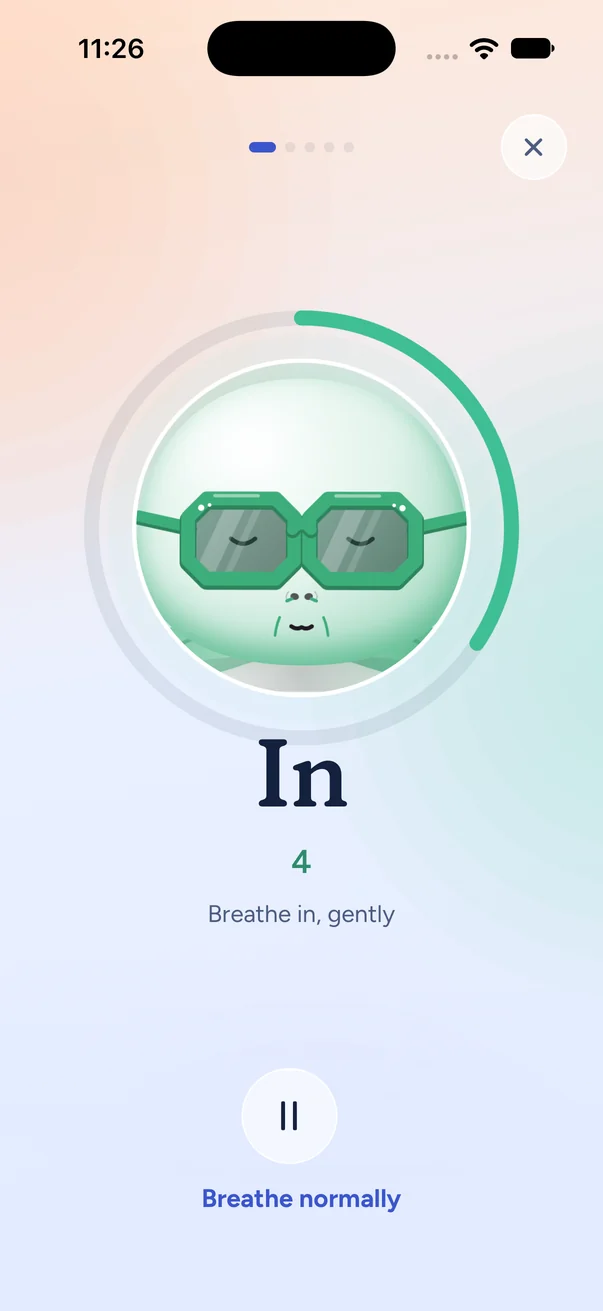
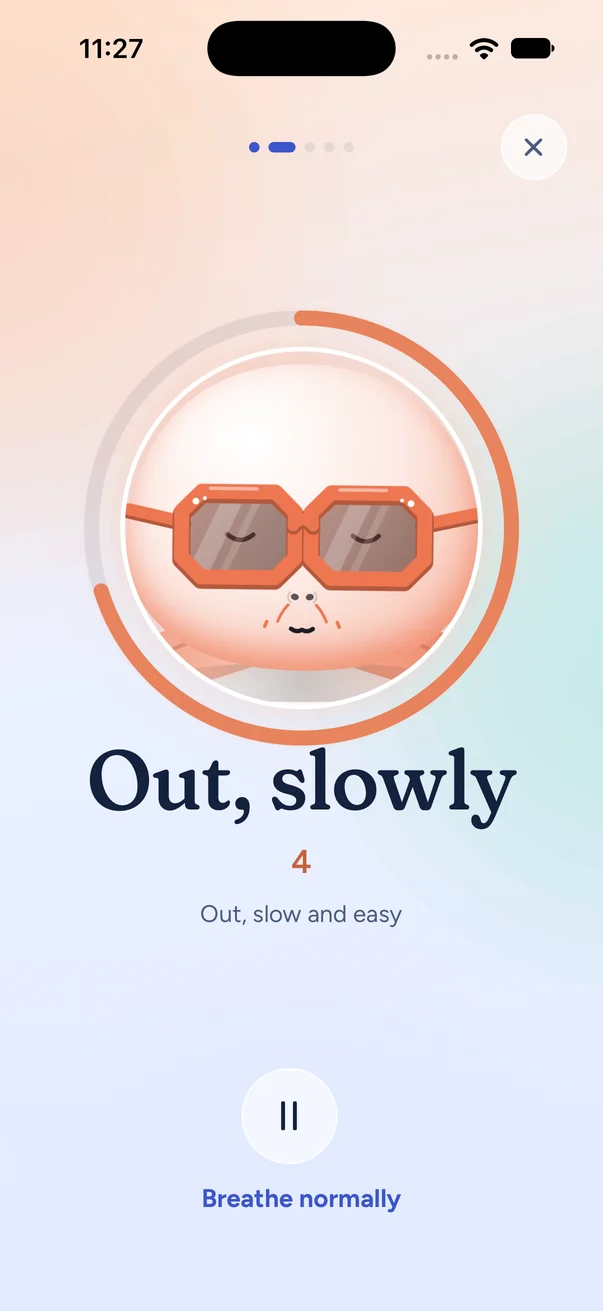
About 90 seconds. In, and out, slowly. Sound and haptics are there if you want them, so you can follow with your eyes closed.
One question, four honest answers. A slip is information, not failure, and your count of urges ridden never goes down.
How is the urge?
Every answer is fine. Hummy just takes notes.
One tap from your Lock Screen: coming soon on iPhone
Note 3
Does breathing actually do anything?
Here is what the research says, in plain words, with its limits. It is education, not a promise.
4 in, 8 out
In a small lab study, people felt more relaxed breathing with a longer out-breath than with a longer in-breath. Researchers still argue about how much the ratio adds. The slow pace is the sure part.
Van Diest and colleagues, 2014 (30 people); Meehan and Shaffer, 2024; Laborde and colleagues, 2022.
2 in, 1 sip, 6 out
Your body sighs on its own now and then: a breath in, a second sip on top, a long breath out. In one study people reported relief after a deep breath they were asked to take. A prompted sigh is not a guaranteed calm.
Vlemincx and colleagues, 2010 and 2016.
3 in, 1 sip, 6 out
In a 2023 Stanford trial, 108 adults practised five minutes a day for 28 days. Good mood rose more with breathing than with mindfulness, and slow sighing stood out. It is one trial, not yet repeated.
Balban and colleagues, 2023, Cell Reports Medicine.
Feel it for 30 seconds.
The app does the rest: coming soon on iPhone.
Note 4
Mornings I reach for the phone. At 3 am I just lie there.
Hummy is there at both ends of the day, and in the middle of the night.
Your morning breath, before the phone gets loud. Say how you slept, breathe, write one line for the day.
The night wind-down and a short look back. After it, the app stays dark until morning.
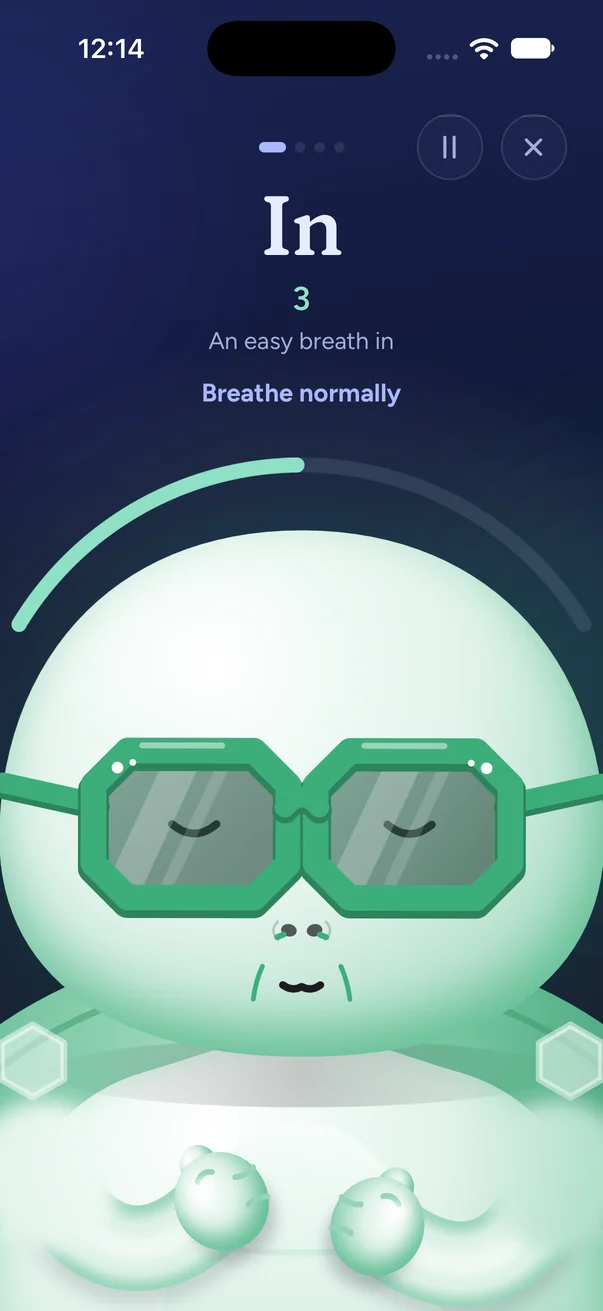
The same button gives you a quiet rescue breath. Dark screen, soft guidance, nothing bright. The rescue breath stays free.
Coming soon on iPhone
Note 5
Box breathing? 4-7-8? Which one, and how?
More than 30 breaths, each with a short guide. Every line below is one breath drawn to scale: up is in, flat is a hold, down is out. The dot moves at the real pace.
4 in, 4 hold, 4 out, 4 rest
In, hold, out, rest, all the same length. A steady count for a busy head.
4 in, 7 hold, 8 out
Many people use it to wind down for bed. The app starts with a gentler half-length version.
2 in, 1 sip, 6 out
A breath in, a small sip on top, then one long, easy sigh out. The first breath of Ride the urge.
5.5 in, 5.5 out
Slow and even, about five and a half breaths a minute.
4 in, 8 out
The out-breath is twice the in-breath. A simple way many people use to unwind.
4 in left, 4 out right, 4 in right, 4 out left
Alternate nostril breathing, traditionally used to quiet the mind.
4 in, 6 out with a hum
The humming-bee breath: a soft hum on the way out.
4 in, 6 out
The cooling breath. It can feel refreshing on a warm day.
30+ breaths with Hummy: coming soon on iPhone
Note 6
I don’t want my drinking in somebody’s database.
Shoha is private by design. What you tell Hummy stays with Hummy.
Checked against the app’s code: see the privacy page.
Nothing to sign up for, now or later.
Coming soon on iPhone
Note 7
Shoha is a breathing app for iPhone that starts a guided breath in one tap when a craving hits, and at the start and end of your day. Hummy, a turtle in sunglasses, breathes with you.
Not yet. Shoha is coming soon, on iPhone only, for iOS 18 and later.
Start a slow breath with a long out-breath and stay with it for about 90 seconds, then decide what to do. In Shoha that is one tap on “Ride the urge”. Afterwards the app asks one question, “How is the urge?”, and every answer is fine.
No study has timed a single craving. What studies of people quitting smoking do show is that slips tend to come within about 11 minutes of a surge, so the next few minutes are the ones that count.
Source: Perski and colleagues, 2023, Addiction (a review of studies that followed people through the day).
Urge surfing means noticing an urge and letting it rise and fall like a wave, without acting on it and without fighting it. In one study, smokers who learned it rated their urges just as strong afterwards, but smoked less.
Source: Bowen and Marlatt (PubMed 20025372).
Slow breathing has the most research behind it, and in studies people report feeling calmer for a while afterwards. For a cigarette craving the effect lasts minutes, not hours. It is not a treatment for any condition.
Sources: Laborde and colleagues, 2022 (223 studies of slow breathing); Fincham and colleagues, 2023 (12 trials); McClernon and colleagues, 2004, and Shahab and colleagues, 2013 (96 smokers), for cravings.
Yes: from the Lock Screen, Control Center, the Action button or a Home Screen widget.
The urge breath stays free when you start it from the Lock Screen control, the Home Screen widget or the Action button, and so does the night rescue breath. The rest of the app needs a subscription. Pricing is not final yet.
No account, and no analytics. Your habits, urges and notes are stored on your iPhone, and you can export or delete them in Settings. Read the privacy page.
More than 30, including box breathing, 4-7-8, the physiological sigh, resonance breathing, extended exhale and classical pranayama such as Nadi Shodhana and Bhramari. Sanskrit names sit next to the English ones.
Eleven: English, German, French, Spanish, Italian, Dutch, Swedish, Portuguese (Brazil), Japanese, Korean and Traditional Chinese.
No. Shoha is for relaxation and general wellbeing. It is not a medical device and does not diagnose, treat, cure or prevent any medical condition. It does not promise that you will quit anything; your national stop-smoking or alcohol service can help with that.
If you have a heart, lung or blood-pressure condition, a history of fainting or seizures, or you are pregnant, check with your doctor before starting new breathing practices. Stop and breathe normally if you feel dizzy, light-headed or uncomfortable.
Still reading? It is coming soon on iPhone.
Shoha is not in the App Store yet. Until it is, the breath is right here.
In the app this is one tap from your Lock Screen. Coming soon on iPhone.
Tap anywhere to stop